Evolutionary arms race stretches hawkmoths and flowers to extremes
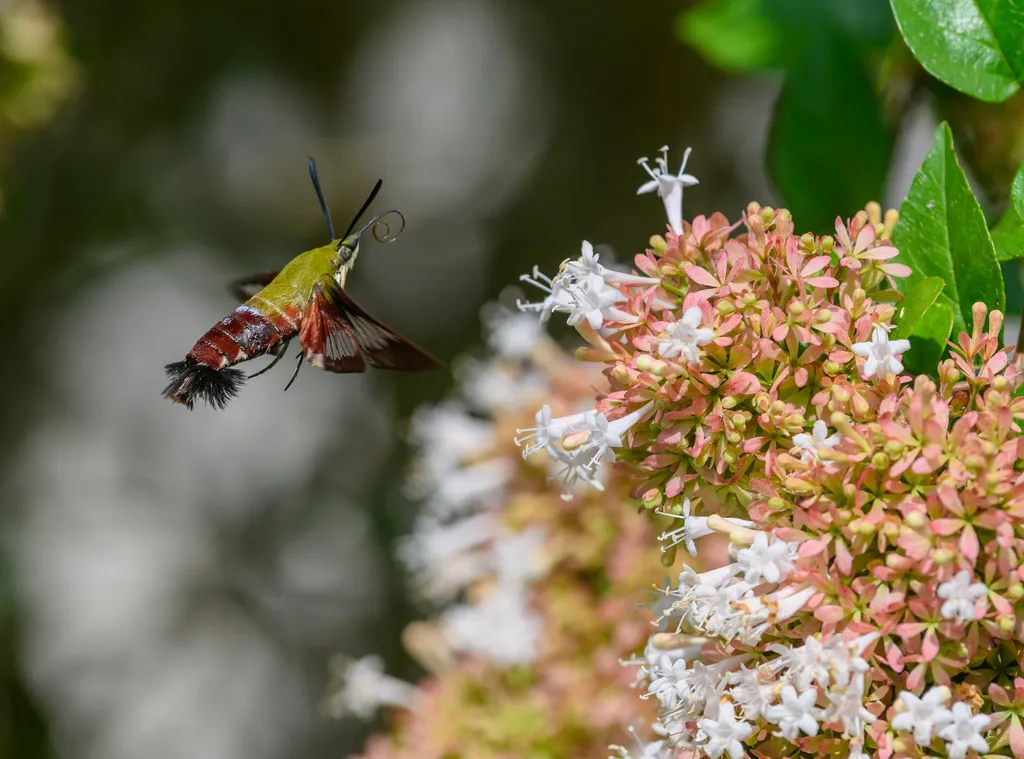
Hawkmoths and flowers are engaged in an evolutionary arms race, with the moths developing longer proboscises to feed on nectar and the flowers evolving deeper nectar tubes to ensure the moth picks up pollen. This co-evolutionary process has been ongoing for millions of years, with each species trying to outdo the other in a game of survival. The relationship between hawkmoths and flowers can become so tightly linked that finding one species often means the other is nearby.
- ▪Hawkmoths have evolved unusually long proboscises to feed on nectar from flowers.
- ▪The evolutionary arms race between hawkmoths and flowers has led to the development of specialized traits in both species.
- ▪Some hawkmoth species have opted for a more measured approach, with shorter proboscises, while others have evolved extremely long tongues to access nectar.
Opening excerpt (first ~120 words) tap to expand
May 21, 2026 Evolutionary arms race stretches hawkmoths and flowers to extremes by Brooke Bowser, Florida Museum of Natural History edited by Gaby Clark, reviewed by Robert Egan Gaby Clark Scientific Editor Meet our editorial team Behind our editorial process Robert Egan Associate Editor Meet our editorial team Behind our editorial process Editors' notes This article has been reviewed according to Science X's editorial process and policies. Editors have highlighted the following attributes while ensuring the content's credibility: fact-checked peer-reviewed publication trusted source proofread The GIST Add as preferred source Hawkmoths and flowers can fall into an evolutionary arms race, with the moths developing longer proboscises to feed on nectar while flowers evolve deeper nectar…
Excerpt limited to ~120 words for fair-use compliance. The full article is at Phys.org.
Discussion
0 commentsMore from Phys.org