Growing pains: Structural strategies that neglect emotions block corporate innovation, says study
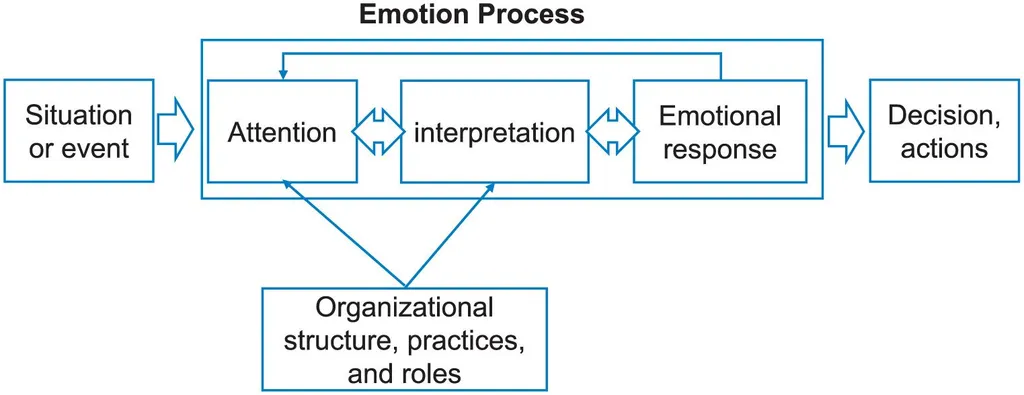
Editors have highlighted the following attributes while ensuring the content's credibility: fact-checked trusted source proofread The GIST Add as preferred source Organizational Influences on the Emotion Process. DOI: 10.1177/00081256261442210 Why do so many corporate renewal efforts fail, despite following current best practices? Research from Aalto University and Harvard University found that while a structural approach to increasing innovation is commonly accepted as the pathway to growth for companies, the emotional impact of the changes often undermines innovation efforts.
- ▪Editors have highlighted the following attributes while ensuring the content's credibility: fact-checked trusted source proofread The GIST Add as preferred source Organizational Influences on the Emotion Process.
- ▪DOI: 10.1177/00081256261442210 Why do so many corporate renewal efforts fail, despite following current best practices?
- ▪Research from Aalto University and Harvard University found that while a structural approach to increasing innovation is commonly accepted as the pathway to growth for companies, the emotional impact of the changes often undermines innovati
Opening excerpt (first ~120 words) tap to expand
May 19, 2026 Growing pains: Structural strategies that neglect emotions block corporate innovation, says study by Aalto University edited by Gaby Clark, reviewed by Andrew Zinin Gaby Clark Scientific Editor Meet our editorial team Behind our editorial process Andrew Zinin Lead Editor Meet our editorial team Behind our editorial process Editors' notes This article has been reviewed according to Science X's editorial process and policies. Editors have highlighted the following attributes while ensuring the content's credibility: fact-checked trusted source proofread The GIST Add as preferred source Organizational Influences on the Emotion Process. Credit: California Management Review (2026).
…
Excerpt limited to ~120 words for fair-use compliance. The full article is at Phys.org.
Discussion
0 commentsMore from Phys.org