One of NASA’s crucial links to deep space is at risk of burning down
We send commands to spacecraft beyond Earth’s orbit and receive data from them using the Deep Space Network (DSN), which consists of three enormous sets of radio antennae: one in California, one in Spain and one in Australia. A wildfire has consumed the area around the radio dishes in Spain, and the level of damage to the facility itself is not yet clear. Read more UN space database aimed at easing global tensions is mysteriously down Wildfires have been raging across Europe all month, driven by a heat wave and intense droughts.
- ▪We send commands to spacecraft beyond Earth’s orbit and receive data from them using the Deep Space Network (DSN), which consists of three enormous sets of radio antennae: one in California, one in Spain and one in Australia.
- ▪A wildfire has consumed the area around the radio dishes in Spain, and the level of damage to the facility itself is not yet clear.
- ▪Read more UN space database aimed at easing global tensions is mysteriously down Wildfires have been raging across Europe all month, driven by a heat wave and intense droughts.
New Scientist publishes from United Kingdom and files mainly under science. We currently carry 10 of its stories.
Opening excerpt (first ~120 words) tap to expand
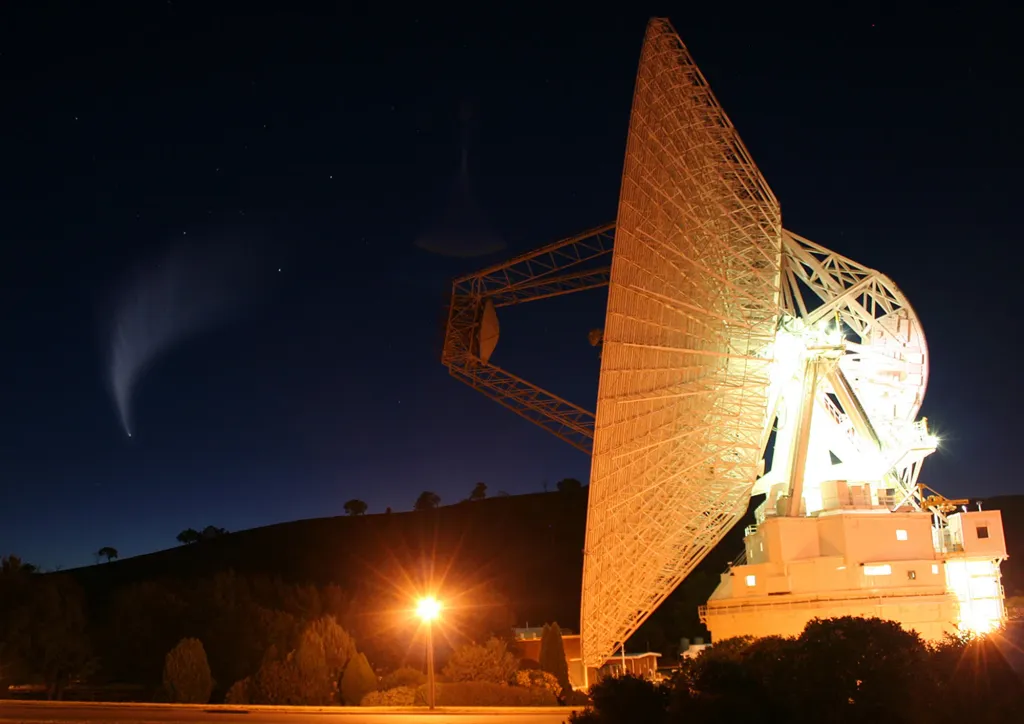
Space One of NASA’s crucial links to deep space is at risk of burning downThe Deep Space Network is our best way to communicate with spacecraft beyond Earth’s orbit, and one of its three stations around the world is in the middle of a wildfire By Leah Crane 24 July 2026 Facebook Threads X / Twitter WhatsApp LinkedIn Reddit Email Print A 230-foot antenna at the Canberra, Australia site of the Deep Space NetworkNASA/JPL-Caltech NASA’s ability to communicate with its distant spacecraft is in jeopardy. We send commands to spacecraft beyond Earth’s orbit and receive data from them using the Deep Space Network (DSN), which consists of three enormous sets of radio antennae: one in California, one in Spain and one in Australia.
…
Excerpt limited to ~120 words for fair-use compliance. The full article is at New Scientist.
Discussion
0 commentsMore from New Scientist