Pentagon says US military to be an 'AI-first' fighting force
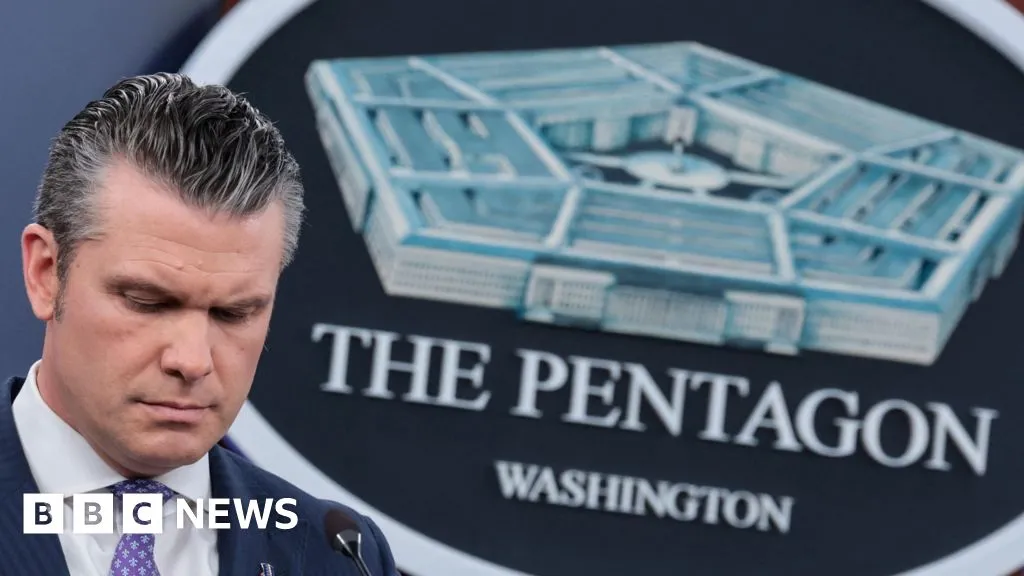
The Pentagon has announced plans to transform the US military into an 'AI-first' fighting force through new agreements with major tech companies including Google, OpenAI, Amazon, Microsoft, SpaceX, Oracle, Nvidia, and startup Reflection. These partnerships will allow the military to use AI for any lawful operational purpose, aiming to avoid reliance on a single vendor. The move follows a breakdown in relations with AI firm Anthropic, which raised ethical concerns about military use of its technology and is now suing the government over alleged retaliation.
- ▪The Pentagon signed eight agreements with tech companies to expand AI use for lawful military operations.
- ▪Anthropic is absent from the deals due to concerns over AI use in warfare and domestic surveillance, and is now suing the US government over alleged retaliation.
- ▪Over a million Department of Defense personnel have used the military's AI platform since its launch, reducing task completion times from months to days.
- ▪OpenAI signed its contract in February, and the Pentagon's announcement formalizes that agreement.
- ▪Google's Gemini will now be used for classified government work for the first time.
Opening excerpt (first ~120 words) tap to expand
Pentagon says US military to be an 'AI-first' fighting forceJust nowShareSaveAdd as preferred on GoogleKali HaysTechnology reporterReutersUS Defence Secretary Pete Hegseth has called for more AI use by the US militaryThe US military plans to increase its use of artificial intelligence (AI) further after the Pentagon agreed to new and expanded contracts with some of the biggest names in technology.Under eight agreements with Google, OpenAI, Amazon, Microsoft, SpaceX, Oracle, Nvidia and the start-up Reflection, the Pentagon said AI technology would now be used for any "lawful operational use"."These agreements accelerate the transformation [of] the US military as an AI-first fighting force," the Pentagon said.Conspicuous by its absence is Anthropic, as the company has said it is concerned…
Excerpt limited to ~120 words for fair-use compliance. The full article is at BBC News — Tech.
Discussion
0 commentsMore from BBC News — Tech