Reviving TEMPEST Attacks with an Injected Signal
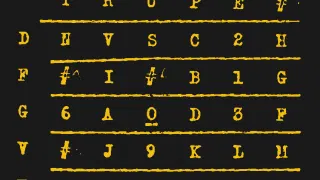
Researchers have developed a technique called InjectEave that revives TEMPEST attacks on modern electronics by injecting a specific radio frequency signal. This injection causes nonlinear components within devices to mix with internal signals, creating detectable RF sidebands that reveal the device's operations. The method successfully eavesdropped on audio and smart devices, even demonstrating the ability to clone voices and inject speech into VoIP calls in real time.
- ▪Modern electronics typically do not emit significant TEMPEST signals without an external RF injection due to quieter components.
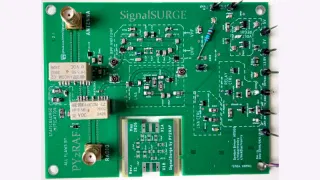
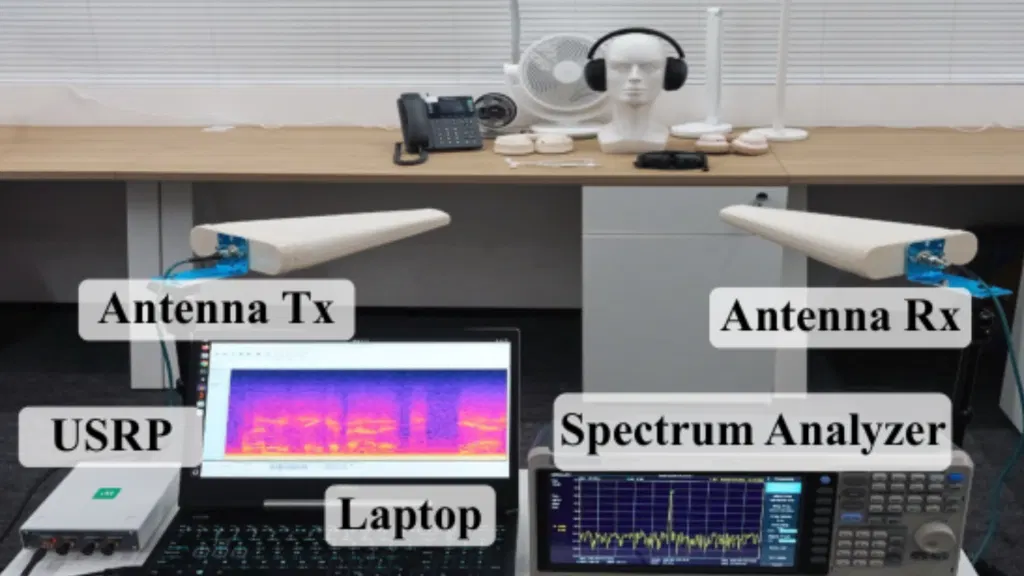
- ▪The InjectEave technique uses a USRP B210 SDR to transmit a frequency that resonates with a device's internal antennas.
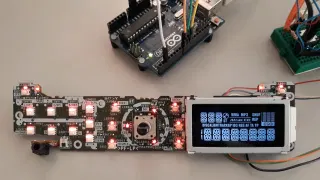
- ▪Tests confirmed the method could recover audio from headphones and detect the state of smart home devices through walls.
- ▪Researchers demonstrated the ability to clone a user's voice and inject synthesized speech into a VoIP phone call remotely.
- ▪The attack range extended to 30 meters when a power amplifier was used, and specific devices could be targeted by tuning the injection frequency.
Hackaday files mainly under tech. We currently carry 407 of its stories.
Story provenance
Source · retrieval · rights · ranking — open for full record
inspect →
Story provenance
Attribution is not the same as permission. This drawer separates discovery metadata, excerpts, WeSearch-generated summaries, reuse status, and whether the publisher receives the visit. Nothing here claims a legal grant the publisher has not made.
Record
| Original publisher | Hackaday |
| Canonical URL | https://hackaday.com/2026/09/20/reviving-tempest-attacks-with-an-injected-signal/ |
| Publication time | Sun, 20 Sep 2026 23:00:06 +0000 |
| Retrieval time | 2026-09-20T23:03:47.483Z |
| Last seen | 2026-09-20T23:03:47.483Z |
| Headline source | Publisher (no WeSearch rewrite) |
| Excerpt source | publisher body |
| Excerpt method | First ~120 words (~800 chars) of extracted publisher body, fair-use limited. |
| Summary | WeSearch · cerebras-chat (WeSearch summarizer) |
| Summary source text | contentText |
| Citation coverage | Summary is a WeSearch-generated derivative; primary citation is the original publisher URL. |
| Cluster | b2Olh7mB5fTe · 1 stories |
| Cluster logic | Grouped by semantic title/content similarity across sources within a rolling window. Same-publisher template collisions are excluded from coverage comparison. |
| Ranking reason | Story pages are not engagement-ranked. Hub feeds use recency, with optional source-diversified chronological ordering (cap consecutive stories per source). No personalized ranking. |
| Publisher visit | Yes — open original |
| Substitutes article? | No — link-out required for full text |
Rights status (four layers)
WeSearch handling by dimension
| Indexing | May the item be indexed (stored, ranked, made findable)? | Allowed |
| Snippet | May a short excerpt of the publisher's text be shown? | Allowed |
| AI summary | May WeSearch generate its own short summary of the article? | Limited |
| Retrieval / RAG | May the content be exposed for third-party retrieval-augmented generation? | Not asserted |
| Model training | May the content be used to train AI models? | Not asserted |
| Commercial reuse | May the content be reused commercially? | Not permitted |
Basis: Derived from the published RSS/Atom feed. Contact: [email protected]. Reviewed: 2026-07-24.
Opening excerpt (first ~120 words) tap to expand
Reviving TEMPEST Attacks With An Injected Signal No comments by: Aaron Beckendorf September 20, 2026 Title: Copy Short Link: Copy TEMPEST attacks are often the most effective way to break air-gapped security: rather than directly accessing a computer, the attacker records the system’s unintended radio emissions and uses them to reconstruct its internal operations. This kind of attack was much more effective in the days of noisy, high-voltage CRT displays, and has gradually become less effective as electronics migrate to quieter, less powerful components. A group of researchers, however, has found that even modern electronics can become effective TEMPEST transmitters when irradiated with an RF signal. The RF a device emits depends on the unintentional antennas in its internal structure.
…
Excerpt limited to ~120 words for fair-use compliance. The full article is at Hackaday.
Discussion
0 commentsMore from Hackaday