
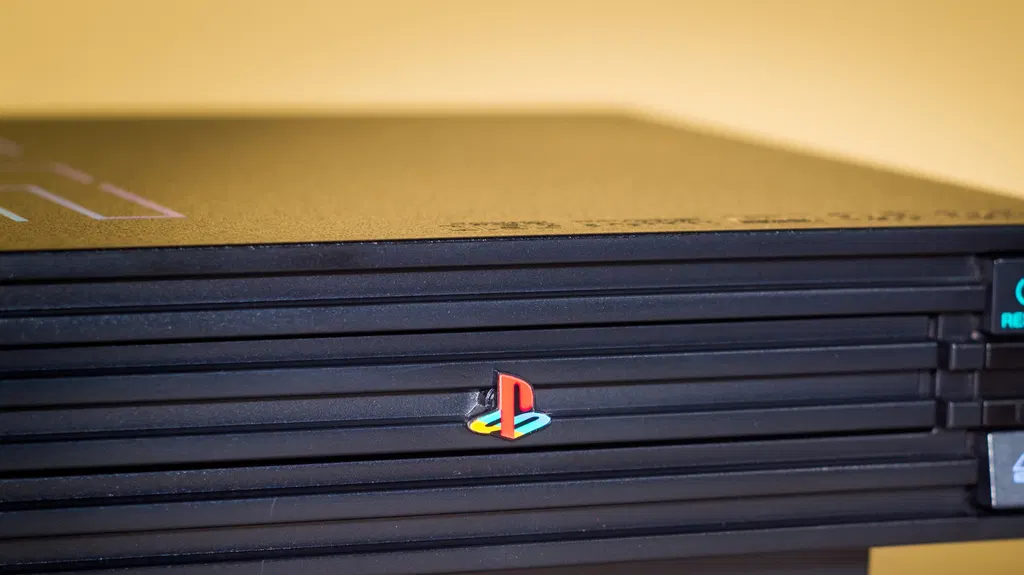
The original PlayStation 2 security chip has been reverse engineered
A developer has successfully reverse-engineered the SPC970 MechaCon security chip from the original PlayStation 2, marking the completion of the console's firmware mapping. The extraction was achieved through a specific exploit that overflows the chip's buffer to copy its mask ROM contents into readable EEPROM memory. These dumps provide the necessary code to potentially develop modchips for early PS2 models and improve low-level emulation accuracy.
- ▪DiscoStarslayer and collaborator Libby extracted the firmware from the SPC970 MechaCon chip using a buffer overflow exploit that targets the chip's EEPROM write session.
- ▪The released 22 firmware images cover fat PS2 models from 2000 to 2002, as well as Namco System 246 and 256 arcade boards that utilized the same security hardware.
- ▪This breakthrough allows for the first time the possibility of creating chip-level modchips for early PS2 consoles that were previously unsupported by the MechaPwn exploit.
- ▪The dumped firmware exposes the code behind Sony's MagicGate encryption for memory cards and KELF executables, which will aid in full-system low-level emulation.
- ▪The extraction process involves rewriting the chip's EEPROM approximately 1,000 times, which carries a risk of hardware damage despite the tool's backup and restoration features.
Engadget files mainly under tech. We currently carry 1,139 of its stories.
Story provenance
Source · retrieval · rights · ranking — open for full record
inspect →
Story provenance
Attribution is not the same as permission. This drawer separates discovery metadata, excerpts, WeSearch-generated summaries, reuse status, and whether the publisher receives the visit. Nothing here claims a legal grant the publisher has not made.
Record
| Original publisher | Engadget |
| Canonical URL | https://www.engadget.com/2273354/playstation-2-security-chip-reverse-engineered/ |
| Publication time | Sat, 03 Oct 2026 18:00:00 +0000 |
| Retrieval time | 2026-10-03T18:04:01.018Z |
| Last seen | 2026-10-03T18:04:01.018Z |
| Headline source | Publisher (no WeSearch rewrite) |
| Excerpt source | publisher body |
| Excerpt method | First ~120 words (~800 chars) of extracted publisher body, fair-use limited. |
| Summary | WeSearch · cerebras-chat (WeSearch summarizer) |
| Summary source text | contentText |
| Citation coverage | Summary is a WeSearch-generated derivative; primary citation is the original publisher URL. |
| Cluster | ycd_FDMAtqeD · 1 stories |
| Cluster logic | Grouped by semantic title/content similarity across sources within a rolling window. Same-publisher template collisions are excluded from coverage comparison. |
| Ranking reason | Story pages are not engagement-ranked. Hub feeds use recency, with optional source-diversified chronological ordering (cap consecutive stories per source). No personalized ranking. |
| Publisher visit | Yes — open original |
| Substitutes article? | No — link-out required for full text |
Rights status (four layers)
WeSearch handling by dimension
| Indexing | May the item be indexed (stored, ranked, made findable)? | Allowed |
| Snippet | May a short excerpt of the publisher's text be shown? | Allowed |
| AI summary | May WeSearch generate its own short summary of the article? | Limited |
| Retrieval / RAG | May the content be exposed for third-party retrieval-augmented generation? | Not asserted |
| Model training | May the content be used to train AI models? | Not asserted |
| Commercial reuse | May the content be reused commercially? | Not permitted |
Basis: Derived from the published RSS/Atom feed. Contact: [email protected]. Reviewed: 2026-07-24.
Opening excerpt (first ~120 words) tap to expand
Gaming PlayStation The original PlayStation 2 security chip has been reverse engineered The last unmapped part of the fat PS2 has been dumped. By Luke James Oct. 3, 2026 2:00 pm EST Deni Williams/Shutterstock Add Engadget on Google: Preferred Source Google Discover More than 25 years after the fat PlayStation 2 launched, a dev known as DiscoStarslayer has managed to pull firmware out of the stubborn SPC970 MechaCon chip responsible for authorizing discs and handling most of the console's security. In a Bluesky post, the dev credited Libby, the collaborator who found an exploit that made the extraction possible. According to the dump tool's docs, that exploit told the chip that an incoming batch of settings data would be empty, and sent more data than it had room for.
…
Excerpt limited to ~120 words for fair-use compliance. The full article is at Engadget.
Discussion
0 commentsMore from Engadget


