Will the Next Fed Chairman Be More Compliant With Trump?
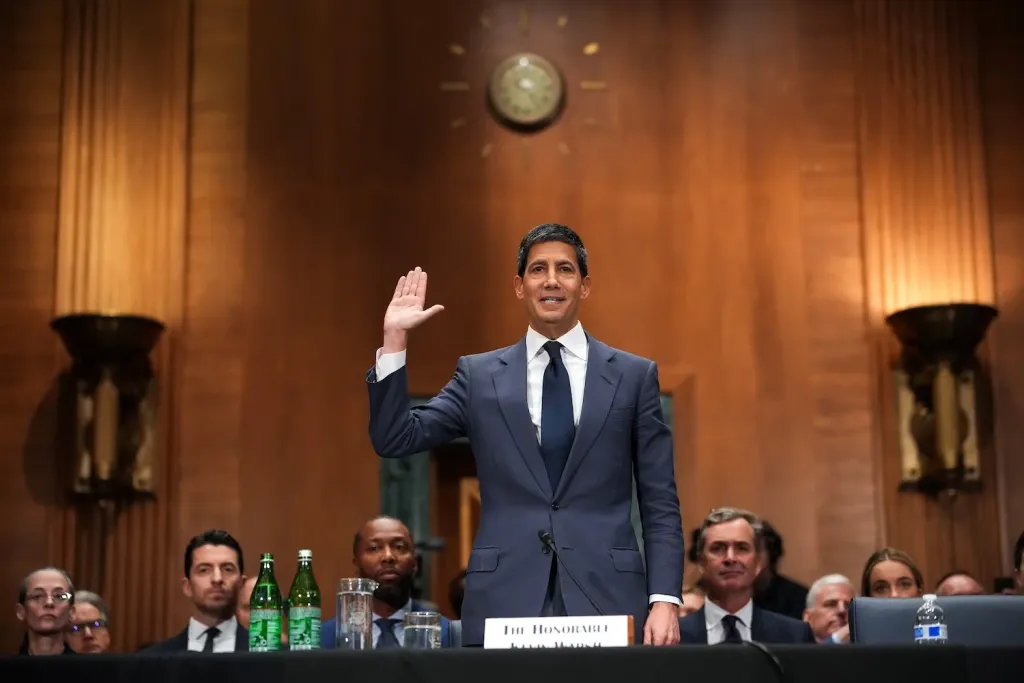
Kevin Warsh, a former Federal Reserve governor and Republican insider, has been nominated by President Donald Trump to chair the Federal Reserve, raising questions about his ability to balance independence with political pressure. Warsh is known for his opposition to expansive monetary policies and preference for private-sector solutions, positioning him as an inflation hawk. His background as a lawyer and financial sector figure contrasts with traditional technocratic central bankers, prompting scrutiny over his approach to rate-setting and communication.
- ▪Kevin Warsh was nominated by President Donald Trump to chair the Federal Reserve.
- ▪Warsh served as a Federal Reserve governor from 2006 to 2011 and was involved in crisis decisions during the 2008 financial collapse.
- ▪He is known for favoring private-sector solutions and expressing reluctance toward government intervention during financial crises.
- ▪Warsh’s experience at Morgan Stanley and roles in the Bush administration shaped his market-oriented economic views.
- ▪He is a lawyer by training and lacks the academic economics background typical of some prior Fed chairs.
Opening excerpt (first ~120 words) tap to expand
Insider Your all-access pass to FP Will the Next Fed Chairman Be More Compliant With Trump? Kevin Warsh will face intense pressure to cut interest rates. By Cameron Abadi, a deputy editor at Foreign Policy, and Adam Tooze, a columnist at Foreign Policy and director of the European Institute at Columbia University. Sign up for Adam’s Chartbook newsletter here. Warsh, standing in a dark business suit and tie, raises his right hand to swear an oath in a large chamber lit by wall sconces. Other people in formal attire sit behind him with bottles and glasses of water scattered on their desks. Kevin Warsh, U.S. President Donald Trump’s nominee for chair of the Federal Reserve, is sworn in to testify during his Senate confirmation hearing in Washington on April 21.
…
Excerpt limited to ~120 words for fair-use compliance. The full article is at Foreign Policy.
Discussion
0 commentsMore from Foreign Policy