Peatlands are vital for tackling climate change, yet scientists still haven't found them all
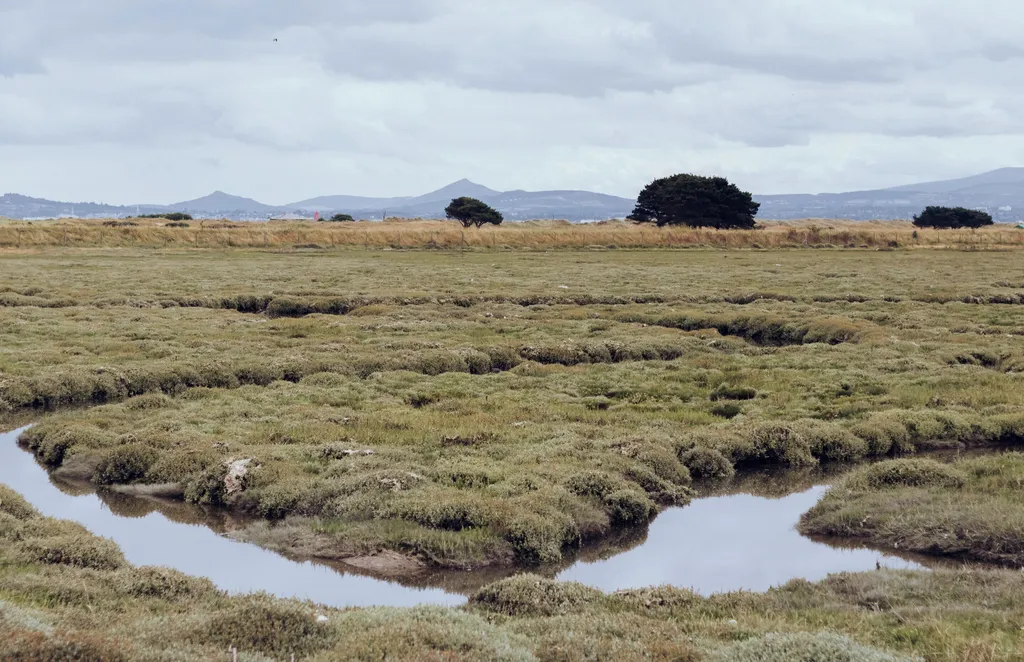
Peatlands are critical carbon sinks that store nearly a third of the world's soil carbon despite covering only 3–4% of land surface, yet many remain undiscovered or poorly mapped. When drained or degraded, peatlands become significant sources of greenhouse gas emissions, contributing 5–10% of annual human-caused CO₂ emissions. A global survey of over 450 experts from 54 countries has identified 50 priority questions to guide peatland science in the next decade, highlighting major knowledge gaps in their distribution and carbon storage.
- ▪Peatlands store nearly a third of the world's soil carbon and cover only about 3–4% of Earth's land surface.
- ▪When degraded, peatlands release stored carbon as greenhouse gases and contribute 5–10% of annual human-caused CO₂ emissions.
- ▪The world's largest tropical peatland complex in the Congo Basin was only confirmed in 2017, revealing how major carbon stores can remain undetected.
- ▪A new study gathered input from over 450 experts across 54 countries to identify the most urgent questions for peatland science.
- ▪Many peatlands remain unmapped, especially in the tropics, which hinders accurate climate planning and carbon accounting.
Opening excerpt (first ~120 words) tap to expand
April 28, 2026 Peatlands are vital for tackling climate change, yet scientists still haven't found them all by Alice Milner, The Conversation edited by Gaby Clark, reviewed by Andrew Zinin Gaby Clark Scientific Editor Meet our editorial team Behind our editorial process Andrew Zinin Lead Editor Meet our editorial team Behind our editorial process Editors' notes This article has been reviewed according to Science X's editorial process and policies. Editors have highlighted the following attributes while ensuring the content's credibility: fact-checked trusted source written by researcher(s) proofread The GIST Add as preferred source Credit: Unsplash/CC0 Public Domain Push a metal corer into a peatland and you pull up something remarkable: a dark, dense, sponge-like material made of partly…
Excerpt limited to ~120 words for fair-use compliance. The full article is at Phys.org.
Discussion
0 commentsMore from Phys.org