Royal Navy chief backs drones, autonomous weapons in ‘Hybrid Navy’
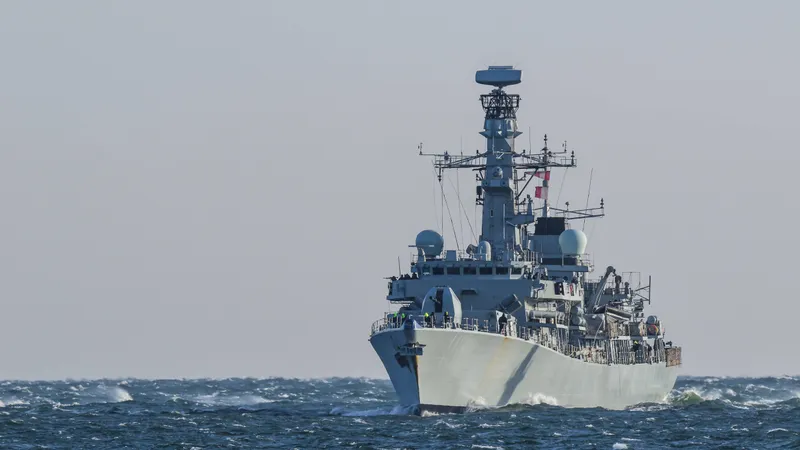
The Royal Navy's First Sea Lord, General Sir Gwyn Jenkins, has advocated for a 'Hybrid Navy' incorporating crewed and autonomous systems to address modern threats. This shift is driven by vulnerabilities exposed in conflicts such as Russia's invasion of Ukraine and tensions in the Middle East. The plan emphasizes integrating drones and uncrewed platforms with traditional vessels to enhance fleet capabilities.
- ▪The First Sea Lord General Sir Gwyn Jenkins outlined the 'Hybrid Navy' concept at a Royal United Services Institute (RUSI) event.
- ▪Traditional naval platforms are increasingly vulnerable to low-cost drones and missile threats, as seen in the Strait of Hormuz and the Black Sea.
- ▪Ukraine's use of uncrewed weapons has disabled a significant portion of Russia's Black Sea Fleet.
- ▪The Hybrid Navy vision includes integrating crewed ships with uncrewed and autonomous systems across air, surface, and subsurface domains.
Opening excerpt (first ~120 words) tap to expand
Public Sector Royal Navy chief backs drones, autonomous weapons in ‘Hybrid Navy’ Plan mixes crewed ships, robot escorts, and long-range strike to bolster a stretched fleet Dan Robinson Sun 3 May 2026 // 10:30 UTC The leader of Britain’s Royal Navy has outlined a “Hybrid Navy” built on a mix of crewed, uncrewed, and autonomous platforms to ensure it can continue to defend the nation and operate overseas. In a speech at the defense and security think tank, the Royal United Services Institute (RUSI), the First Sea Lord General Sir Gwyn Jenkins said that there was still very much a place for the navy in the modern world, but that adopting new technology is critical to its future capabilities.
…
Excerpt limited to ~120 words for fair-use compliance. The full article is at The Register.
Discussion
0 commentsMore from The Register